



Everything you need and nothing you don’t—that’s goodness encapsulated.
Why Daily Multivitamins Matter for Long-Term Health
Supporting Your Health Today for a Stronger Tomorrow
Good health is not built overnight. It is the result of consistent habits practiced every day, including proper nutrition, regular exercise, quality sleep, and preventive healthcare. While many people focus on short-term wellness goals, long-term health requires a proactive approach to meeting the body’s nutritional needs.
In today’s fast-paced world, maintaining a perfectly balanced diet every day can be challenging. Busy schedules, processed foods, stress, and lifestyle factors often contribute to nutrient gaps. This is one reason why daily multivitamins have become an important part of many people’s wellness routines.
But why do daily multivitamins matter for long-term health?
This guide explores the role of multivitamins, their potential benefits, and how consistent nutritional support can help maintain overall well-being throughout life.
What Are Multivitamins?
Multivitamins are dietary supplements that contain a combination of essential vitamins and minerals designed to complement a healthy diet.
Common nutrients found in multivitamins include:
- Vitamin A
- Vitamin C
- Vitamin D
- Vitamin E
- Vitamin K
- B-complex vitamins
- Zinc
- Magnesium
- Selenium
- Iron (in some formulations)
These nutrients help support numerous bodily functions, from energy production to immune health and cellular maintenance.
Why Nutritional Gaps Are Common
Even individuals who try to eat healthy may struggle to obtain optimal levels of every nutrient consistently.
Common reasons include:
Busy Lifestyles
Work, family responsibilities, and hectic schedules can lead to skipped meals and poor food choices.
Processed Foods
Many modern diets rely heavily on processed foods that may be lower in essential nutrients.
Increased Nutritional Demands
Physical activity, stress, aging, and certain life stages can increase nutritional requirements.
Dietary Restrictions
Vegetarian, vegan, or restricted diets may make it more difficult to obtain certain vitamins and minerals.
Because of these factors, nutritional gaps are surprisingly common.
Why Daily Multivitamins Matter for Long-Term Health
1. Help Fill Nutritional Gaps
One of the primary reasons people take multivitamins is to help supplement nutrients that may be missing from their diet.
While multivitamins should not replace healthy eating, they can provide additional nutritional support when dietary intake falls short.
2. Support Healthy Energy Production
Several vitamins play important roles in converting food into usable energy.
Key nutrients include:
- Vitamin B1
- Vitamin B2
- Vitamin B6
- Vitamin B12
- Niacin
- Pantothenic Acid
These nutrients help support normal metabolism and daily energy levels.
3. Contribute to Immune System Health
The immune system depends on adequate nutrition to function properly.
Important nutrients include:
- Vitamin C
- Vitamin D
- Zinc
- Selenium
These vitamins and minerals contribute to normal immune function and overall wellness.
4. Support Healthy Aging
As we age, nutritional needs may change.
Certain nutrients play important roles in maintaining:
- Bone health
- Cognitive function
- Muscle health
- Cellular protection
Consistent nutritional support may help individuals maintain an active and healthy lifestyle over time.
5. Promote Bone Health
Bone health is important throughout life, not just during older age.
Nutrients that support bone maintenance include:
- Vitamin D
- Calcium
- Magnesium
- Vitamin K
Adequate intake helps support normal bone health and strength.
6. Support Brain Function
The brain requires a steady supply of nutrients to function optimally.
Several vitamins contribute to:
- Memory
- Concentration
- Mental performance
- Nervous system health
Maintaining proper nutrition supports cognitive well-being throughout life.
7. Support Skin, Hair, and Nail Health
Many people associate vitamins with beauty and appearance.
Nutrients such as:
- Biotin
- Vitamin C
- Vitamin E
- Zinc
help support healthy skin, hair, and nails while contributing to overall wellness.
Multivitamins and Preventive Wellness
Preventive healthcare focuses on maintaining health before problems arise.
While multivitamins are not medicines and cannot prevent diseases, they can help support nutritional adequacy as part of a healthy lifestyle.
Combining multivitamins with:
- Healthy eating
- Regular exercise
- Stress management
- Quality sleep
creates a strong foundation for long-term wellness.
Who Can Benefit from Daily Multivitamins?
Many adults may benefit from daily nutritional support, including:
Busy Professionals
Individuals with demanding schedules may struggle to maintain balanced nutrition.
Active Men and Women
Fitness enthusiasts often have increased nutritional requirements.
Older Adults
Aging may affect nutrient absorption and dietary intake.
Individuals with Dietary Restrictions
Restricted diets may increase the risk of nutrient deficiencies.
Choosing the Right Multivitamin
Not all multivitamins are identical.
When selecting a supplement, consider:
Age and Gender
Men and women often have different nutritional needs.
Lifestyle
Athletes and active individuals may require specialized formulations.
Quality Standards
Choose products from trusted manufacturers that prioritize quality and safety.
OAD Multivitamins for Daily Wellness
For individuals seeking comprehensive nutritional support, OAD offers specialized solutions designed to support everyday health.
A specialist multivitamin developed for men involved in:
- Sports
- Fitness
- Active lifestyles
Supports:
- Energy
- Vitality
- Immune health
- Daily performance
A comprehensive multivitamin formulated to support:
- Daily wellness
- Energy levels
- Women’s nutritional needs
- Overall vitality
Together, these supplements help support a proactive approach to long-term health and wellness.
Healthy Habits That Work Alongside Multivitamins
For the best results:
- Eat a nutrient-rich diet
- Stay physically active
- Drink adequate water
- Sleep 7–9 hours per night
- Manage stress effectively
- Attend regular health checkups
Multivitamins are most effective when combined with healthy lifestyle habits.
Conclusion
Long-term health depends on consistent daily choices. While no supplement can replace a balanced diet, daily multivitamins can help support nutritional intake, energy production, immune function, and overall wellness.
By addressing potential nutrient gaps and supporting essential bodily functions, multivitamins can become a valuable part of a proactive health strategy.
Whether you’re focused on maintaining energy, supporting immunity, or investing in your future well-being, daily nutritional support can help you stay on track toward your health goals.
Frequently Asked Questions
Are daily multivitamins safe?
When taken according to label directions, multivitamins are generally considered safe for most healthy adults.
Can multivitamins replace healthy food?
No. Multivitamins are intended to supplement a healthy diet, not replace nutritious foods.
How long should I take multivitamins?
Many people include multivitamins as part of their long-term wellness routine. Consult a healthcare professional for personalized advice.
When is the best time to take multivitamins?
Most multivitamins are commonly taken with a meal to support absorption and consistency.
References
- National Institutes of Health (NIH) Office of Dietary Supplements
https://ods.od.nih.gov - Harvard T.H. Chan School of Public Health – Vitamins
https://www.hsph.harvard.edu - World Health Organization (WHO) – Healthy Diet Factsheet
https://www.who.int - Mayo Clinic – Multivitamins and Supplements
https://www.mayoclinic.org
New Articles

Why Daily Multivitamins Matter for Long-Term Health
Supporting Your Health Today for a Stronger Tomorrow Good health…

Why Couples Should Take Daily Multivitamins Together
Building Better Health as a Team A healthy relationship is…

Best Multivitamin Bundle for Men and Women in Pakistan
A Complete Daily Wellness Solution for Couples and Families Maintaining…

How to Recover from Weakness Fast Naturally (Complete Guide 2026)
Introduction Feeling weak, tired, or low on energy has become…
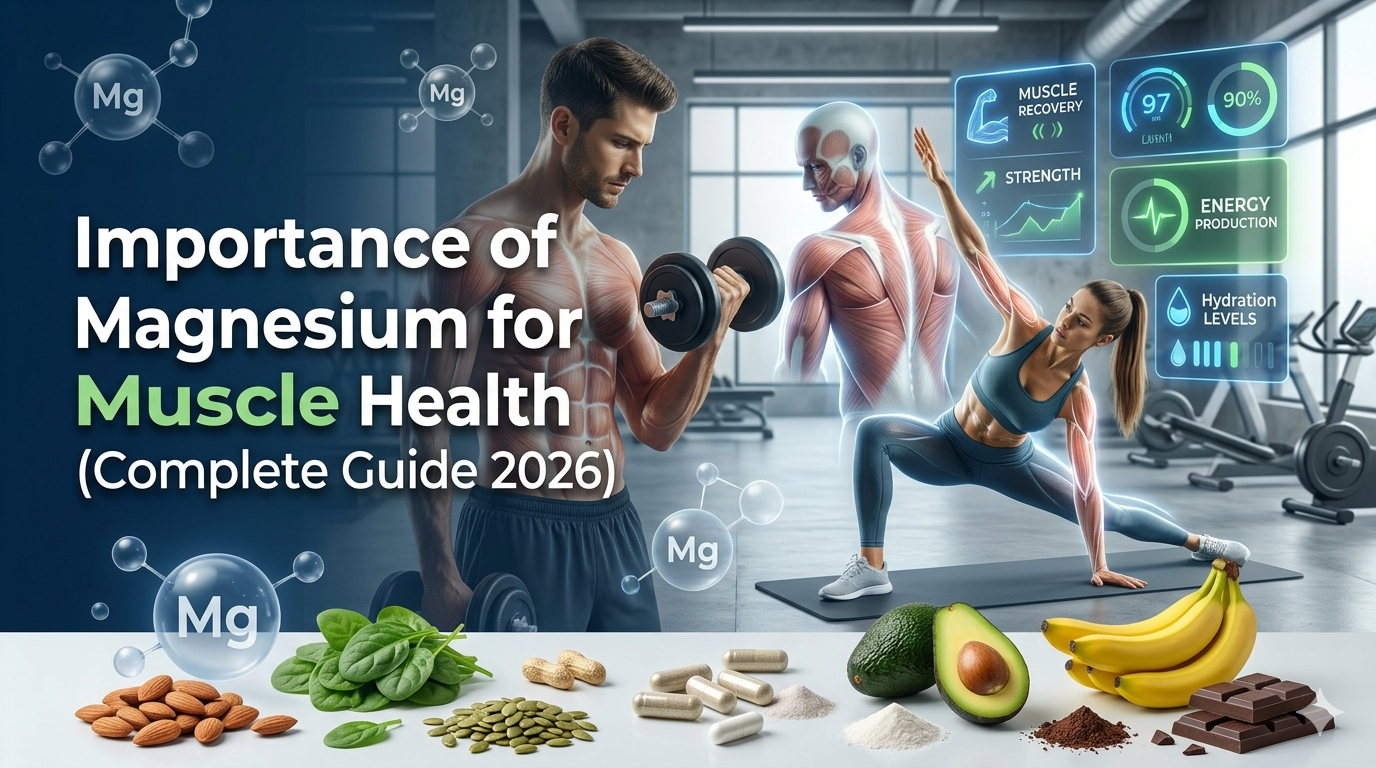
Importance of Magnesium for Muscle Health (Complete Guide 2026)
Introduction Muscle weakness, cramps, fatigue, and slow recovery are common…