



Everything you need and nothing you don’t—that’s goodness encapsulated.
Everything you need and nothing you don’t—that’s goodness encapsulated.
Multivitamins vs Natural Vitamins: Which One Is Better for Your Health?
Introduction
Vitamins are essential nutrients that the human body needs to function properly. They support important processes such as energy production, immune defense, brain health, and cell repair. Ideally, these nutrients should come from a balanced diet rich in fruits, vegetables, whole grains, and proteins.
However, modern lifestyles often make it difficult to maintain perfect nutrition. This is why many people turn to multivitamin supplements to fill nutritional gaps. A common question that arises is:
Multivitamins vs natural vitamins which is better?
Understanding the difference between vitamins from natural food sources and multivitamin supplements can help you make better decisions for your health.
What Are Natural Vitamins?
Natural vitamins are nutrients obtained directly from whole foods. Such as fruits, vegetables, dairy products, grains, and meats. These foods contain vitamins along with other beneficial compounds like:
- Fiber
- Antioxidants
- Phytochemicals
- Healthy fats
For example:
- Oranges are rich in Vitamin C
- Spinach contains Vitamin A and Iron
- Fish provides Vitamin D and Omega-3 fatty acids
According to the Harvard T.H. Chan School of Public Health, whole foods provide a combination of nutrients that work together to support overall health.
What Are Multivitamins?
Multivitamins are dietary supplements that contain a combination of essential vitamins and minerals in one product. They are designed to help people meet their daily nutritional requirements when their diet may not provide enough nutrients.
Common nutrients found in multivitamins include:
- Vitamin A
- Vitamin B complex
- Vitamin C
- Vitamin D
- Vitamin E
- Zinc
- Iron
- Calcium
These supplements are available in various forms such as tablets, capsules, gummies, and powders.
Multivitamins vs Natural Vitamins: Key Differences
Understanding the differences between natural vitamins and multivitamins can help determine when each option is most useful.
Source of Nutrients
Natural vitamins come directly from whole foods, while multivitamins are manufactured supplements designed to provide specific nutrients.
Whole foods contain a variety of compounds that work together to support health, while supplements focus mainly on delivering isolated nutrients.
Nutrient Absorption
The body often absorbs vitamins from natural foods more effectively because they are combined with other nutrients that improve absorption.
For example, healthy fats can help the body absorb fat-soluble vitamins such as vitamin A, D, E, and K.
However, high-quality multivitamins are formulated to improve nutrient absorption and bioavailability.
Convenience
Multivitamins offer a convenient way to obtain essential nutrients, especially for people with busy lifestyles.
Instead of tracking multiple foods to meet daily vitamin requirements, a single multivitamin can help cover basic nutritional needs.
Nutritional Completeness
Whole foods provide more than just vitamins. They also contain:
- Dietary fiber
- Antioxidants
- Natural plant compounds
These components play an important role in long-term health and disease prevention.
Multivitamins cannot fully replicate the complex nutritional profile of whole foods.
When Multivitamins May Be Helpful
Although natural vitamins from food are the best source of nutrition, multivitamins can still be beneficial in certain situations.
Busy Lifestyles
People with demanding schedules may not always have time to prepare balanced meals.
Nutrient Deficiencies
Some individuals may have deficiencies in vitamins such as vitamin D, vitamin B12, or iron.
Restricted Diets
Vegetarians, vegans, or people following specific diets may struggle to obtain certain nutrients.
Increased Nutritional Needs
Certain life stages such as pregnancy or aging may increase nutrient requirements.
In these situations, multivitamins can help support adequate nutrient intake.
The Best Approach: Combining Both
Health experts generally recommend focusing on whole foods as the primary source of vitamins, while using multivitamins to supplement nutritional gaps when necessary.
A balanced diet combined with the right supplements can provide the body with the nutrients it needs to function properly.
For example:
- Eat fruits and vegetables daily
- Include protein and healthy fats in meals
- Use multivitamins to support overall nutrition when needed
This approach helps maintain optimal health and wellness.
Tips for Choosing Quality Multivitamins
If you decide to take multivitamins, consider the following guidelines:
- Choose products from trusted brands
- Look for supplements containing essential vitamins and minerals
- Follow recommended daily dosage
- Consult a healthcare professional if needed
Selecting high-quality supplements ensures better safety and effectiveness.
Conclusion
The debate of multivitamins vs natural vitamins is not about choosing one over the other. Natural foods remain the best source of essential nutrients because they provide a wide range of health-supporting compounds.
However, multivitamins can play a valuable role in filling nutritional gaps, especially for individuals who may struggle to maintain a perfectly balanced diet.
By combining a healthy diet with responsible use of supplements, individuals can support long-term health, improve energy levels, and maintain overall wellness.
References
- Harvard T.H. Chan School of Public Health – Vitamins
https://www.hsph.harvard.edu - National Institutes of Health – Office of Dietary Supplements
https://ods.od.nih.gov - World Health Organization – Micronutrients and Health
https://www.who.int
New Articles
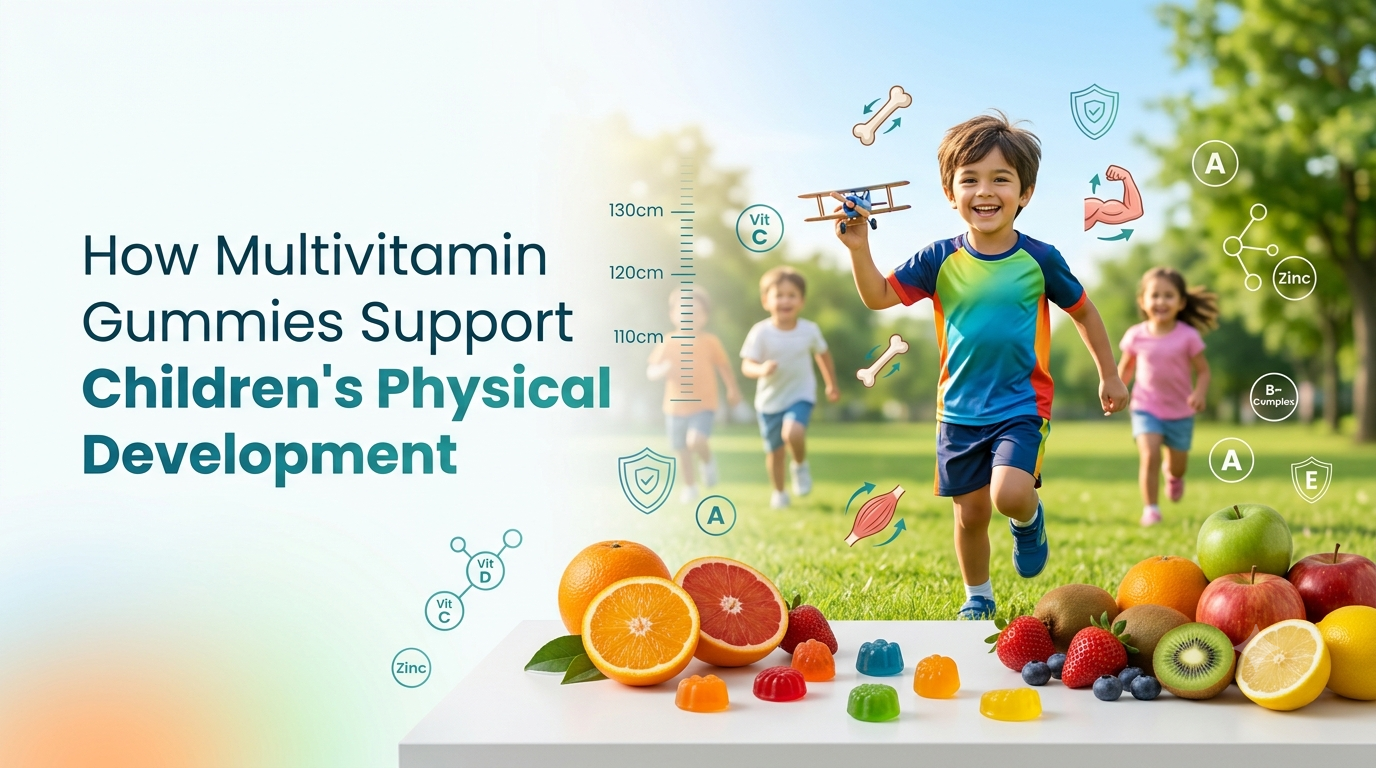
How Multivitamin Gummies Support Children's Physical Development
Every parent wants to see their child grow up healthy,…

Best Vitamins for Healthy Growth in Children
Growing children need more than just enough food they need…

Why Daily Multivitamins Matter for Long-Term Health
Supporting Your Health Today for a Stronger Tomorrow Good health…

Why Couples Should Take Daily Multivitamins Together
Building Better Health as a Team A healthy relationship is…

Best Multivitamin Bundle for Men and Women in Pakistan
A Complete Daily Wellness Solution for Couples and Families Maintaining…